
Wedi Board vs Cement Board Breakdown


Brian Jeffries
Brian Jeffries, a seasoned BPA Advisor. Brian is dedicated to sharing his wealth of knowledge on construction projects and materials. With a focus on architecture and building envelopes, Brian contributes valuable insights that shape the discourse around innovative construction practices and materials.
If you’re working on building the perfect bathroom, you will need to look at tile backers, specifically, which ones are best for the job. While the budget has major importance, you’re going to want to select something that’s built to last. It must prevent any moisture-related issues. On top of that, this needs to avoid mold and leaks. The two most common ones would be the Wedi board and the classic cement board. Both of these materials are widely used. But when it comes to Wedi Board vs. Cement Board, which is best? Continue reading to find out!
Wedi Board vs. Cement Board: The Basics
Before choosing which material you’ll need for your project, it’s best to get an underlying of the basics between the two.
What is Cement Board?

The cement boards are made of cement and fibers, which will contain cellulose. This is a heavy board that has water resistance. Typically, it’s considered more challenging to install due to its weight.
What is Wedi Board?

The Wedi board is foam-based. This is covered with a thick layer of cement-resin coating and then combined with fiberglass mesh. Like cement board, this is used to waterproof bathrooms, showers, and even bathroom floors.
Wedi Board vs. Cement Board: What are the Advantages?
Wedi Board
- Insulation
- Saves on energy costs
- It can protect against mold
- Already comes waterproofed
- Can be ordered online
Cement Board
- Water-resistant
- Mold resistant
- More affordable
- Easily found online
Wedi Board vs. Cement Board: What are the Disadvantages?
Wedi Board
- Messier when cutting
- Three times more expensive compared to cement board
Cement Board
- It needs to be waterproofed before use
- It cannot be ordered online
- Very heavy
What are the Similarities?
Both are for bonding surface; they won’t warp and yet remains pliable, unlike cement board. The potential for wall damage is also minimized when workers carry the lighter Wedi board panels into a home, unlike heavy cement boards.
FAQ
Wedi board is made out of extruded polystyrene foam. It’s reinforced by fiberglass fabric and then coated with polymer cement.
Wedi board is ideal if you want to use ceramic tiles, as this can be installed directly on it.
Cement boards are not waterproof. However, they are water resistant. This means that they won’t entirely prevent the passage of water.
Ceramic tiles can be applied directly on top of cement boards.
Wedi Board vs. Cement Board: Which One is Worth Purchasing?
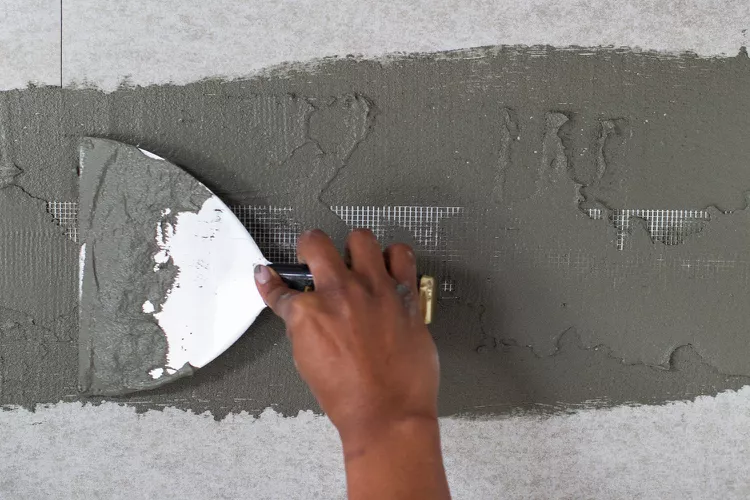
Between Wedi Board vs. Cement board, it may be worth purchasing the Wedi board. Not only is this easy to buy, but it’s also very easy to install. On top of that, this is the best-suited choice for moisture-filled spaces such as the bath or shower area in the home. These are waterproof and they are water resistant too. While you may need to pay more for Wedi Board compared to the price for cement board, the ease of installation and the confidence that your space will be moisture and mold-resistant will immediately make this choice worth it!
Get Smarter About Building Products
Join 50,000+ subscribers and get our 3 min daily newsletter on what matters in the building materials industry.
You might like this


Types of Kitchen Countertops: A Complete Material Comparison Guide
Countertops are one of the few kitchen decisions you’ll live with every single day, and one of the hardest to undo once it’s installed. Cabinets can be repainted, appliances can be swapped, but a countertop is a real commitment, in cost, in permanence, and in how much upkeep you’re signing up for. This guide breaks […]


Types of Commercial Roofing Materials: A Complete Comparison Guide
Choosing the wrong roofing material for a commercial building doesn’t fail immediately. It fails slowly, over years of premature repairs, energy bills that never quite make sense, and a replacement that comes ten years earlier than it should have. For a flat or low-slope commercial roof, the material decision matters more than most property owners […]

Edgecomb Gray vs Revere Pewter: Greige Color Showdown
When it comes to the battle of Edgecomb Gray vs Revere Pewter, these two popular paint colors from Benjamin Moore offer unique characteristics that make them both highly sought-after choices for interior and exterior applications. In this in-depth analysis, we will explore the subtle differences between Edgecomb Gray and Revere Pewter, as well as their […]